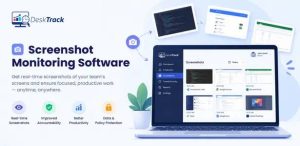
Startups are moving faster than ever. Lean teams, hybrid work models, investor pressure, and rapid product cycles mean one thing: the best SaaS tools for startups can make or break growth.
But with thousands of platforms available, founders often ask:
What are SaaS tools?
Which are the top SaaS platforms for small businesses in 2026?
Which is the Top SaaS tools for startups that actually improve productivity and ROI?
This guide explores a curated list of all SaaS tools startups should consider in 2026, covering communication, marketing, project management, finance, automation, and productivity intelligence.
We will also explore the leading SaaS management tools in 2026 and how the right stack helps startups scale faster while avoiding operational chaos.
Why Startups Struggle Without the Right SaaS Tools?
In the early stages, startups often operate in controlled chaos. Founders juggle product development, customer acquisition, hiring, and fundraising — all while trying to maintain execution speed. Without the right SaaS tools, that chaos quickly turns into bottlenecks. Common early-stage challenges include:
- Lack of clarity on how time is spent
- Missed deadlines due to unstructured workflows
- Poor communication between remote or hybrid teams
- Manual processes that waste valuable hours
- Inconsistent reporting across departments
- Limited financial clarity
According to CB Insights, operational problems and mismanaged scaling are major contributors to startup failure. Technology alone doesn’t solve these issues — but the right SaaS based tools create structure, accountability, and measurable performance.
The Core SaaS Categories That Reduce Startup Chaos
To build a stable Best SaaS stack for early stage startup foundation, entrepreneurs typically need tools across five critical categories:
1. Communication & Collaboration Tools
Platforms like Slack and Zoom ensure alignment across distributed teams.
2. Project & Workflow Management Software
Tools such as Asana create task ownership, deadline clarity, and operational openness.
3. Financial & Accounting Systems
Solutions like QuickBooks Online provide cash flow sight — a survival factor for early-stage companies.
4. Automation & Integration Platforms
Automation tools like Zapier reduce repetitive manual work and improve efficiency.
5. Productivity Tracking & Time Intelligence (The Overlooked Pillar)
This is where many startups fall short. Without structured productivity data, founders cannot accurately answer:
- Where does time go at work?
- Are resources assigned effectively?
- Which projects consume the most effort?
- Is decreased productivity linked to workload, distractions, or unclear priorities?
Employee time tracking software, project time tracking software, and desktop activity time trackers form the backbone of startup employee productivity tracking software. They transform assumptions into measurable insights.
In 2026, the most successful startups are not just adopting the best SaaS tools — they are building connected systems where communication, execution, finance, automation, and productivity tracking work together.
When these categories align, operational chaos becomes controlled growth.
This ensures a balance between accountability and privacy.
Maximize Your Productivity Potential Now ➡
What Are SaaS Tools?
SaaS tools (Software as a Service tools) are cloud-based applications delivered via subscription over the internet. Instead of installing software on local machines, startups access a SaaS tech stack for remote startups through browsers or apps.
According to Gartner, global public cloud spending continues to grow year over year as companies shift from local to scalable cloud software for small businesses and enterprises.
Why SaaS Business Tools Are Essential for Startups?
Today, founders rely on top SaaS platforms for small businesses in 2026 to build scalable systems without large infrastructure investments. The right stack can include SaaS task management for small startups, collaboration tools, automation platforms, and productivity analytics software that ensure every team member contributes to measurable progress.
Instead of searching endlessly through a list of all SaaS tools, startups should focus on selecting solutions that align with their growth stage and operational goals.
- Lower upfront cost (no heavy infrastructure)
- Subscription-based pricing
- Automatic updates
- Remote accessibility
- Faster setup
- Scalability with growth
For early-stage founders, the best SaaS tools for business reduce complexity and accelerate execution.
Download this accurate and reliable The Startup SaaS Stack Audit Checklist to identify the specific bottlenecks holding your performance back today!The Startup SaaS Stack Audit Checklist
Best SaaS Tools for Growing a Business in 2026
For early-stage companies, the challenge is not finding software — it is identifying the best SaaS for startups that supports growth without creating unnecessary complexity.
The best SaaS tools for growing a business typically fall into five categories:
Communication & collaboration
CRM and customer success platforms
Financial management tools
Automation and integrations
Productivity and performance tracking
Startups that adopt the leading SaaS management tools in 2026 gain a competitive advantage by improving execution speed, visibility, and operational clarity.
Top 10 SaaS Tools for Startups in 2026
Below is a curated SaaS tools list designed specifically for founders, including some of the best tools for early-stage SaaS startups and high-impact platforms used by scaling companies worldwide.
| Software Name | Type | User Rating |
| DeskTrack | Time tracking and productivity management | 4.8/5 |
| Slack | Team communication | 4.7/5 |
| Notion | Knowledge and documentation | 4.7/5 |
| Hubspot | CRM and marketing automation | 4.5/5 |
| QuickBooks Online | Financial management | 4.3/5 |
| Stripe | Payment infrastructure | 4.6/5 |
| Figma | Product and UI design | 4.7/5 |
| Asana | Project management | 4.5/5 |
| Zapier | Workflow automation | 4.7/5 |
| Zoom | Remote collaboration | 4.6/5 |
1. DeskTrack – Time Tracking & Productivity Management
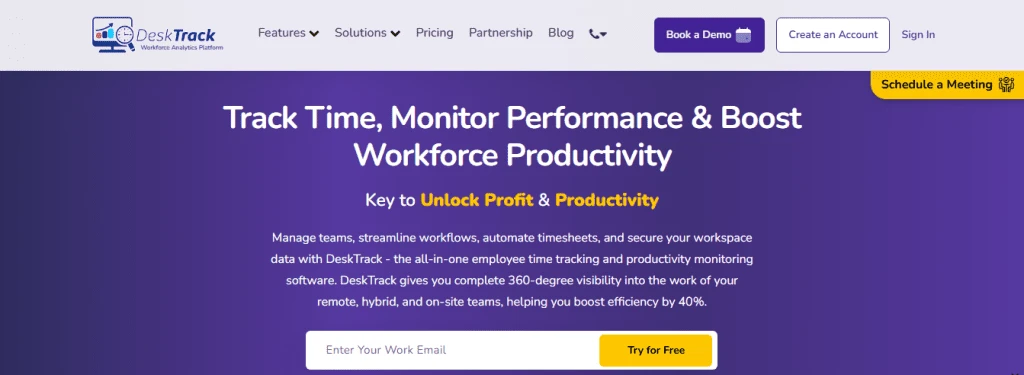
As startups grow, clarity into time and productivity becomes increasingly important. DeskTrack integrates SaaS tools for startup growth in 2026 for teams to track work hours, monitor project timelines, and generate productivity reports.
Key Features:
- Employee time tracking software
- Project time tracking software
- Automated time tracking for startups
- Desktop activity time tracker
- Application and URL usage insights
For early-stage companies managing hybrid or remote teams, having structured time data supports better planning and resource allocation.
This ensures a balance between accountability and privacy.
Boost Productivity the Right Way ➡
2. Slack – Team Communication
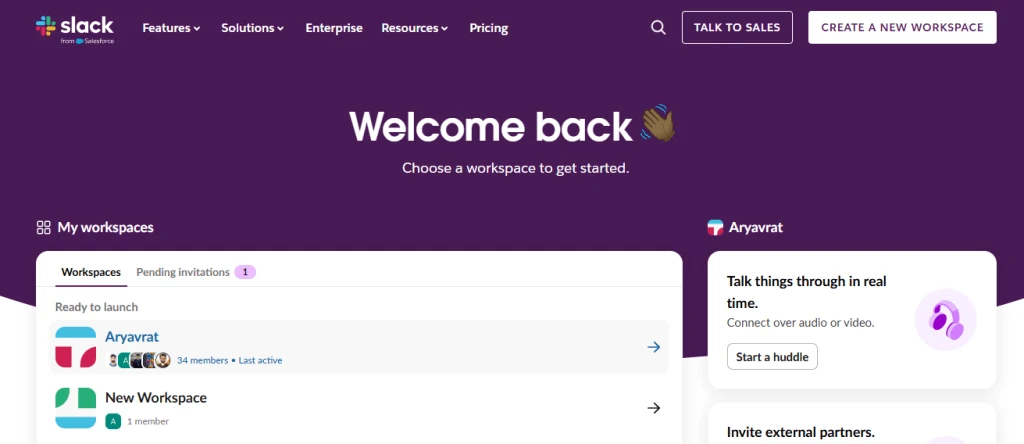
Slack remains one of the top SaaS tools for bootstrapped startups because internal communication speed directly impacts execution.
Key Benefits:
- Real-time messaging
- Channel-based organization
- Integrations with 2,000+ tools
- Workflow automation
Fact: Studies from McKinsey & Company show that improved communication can increase productivity by up to 25%.
3. Notion – Knowledge & Documentation
One of the best SaaS tools for startups in 2026. It is for documentation, wikis, and project planning.
Why It Matters:
- Centralized documentation
- SOP storage
- Product roadmap tracking
- Team collaboration
A structured knowledge base reduces onboarding friction and operational confusion.
4. HubSpot – CRM & Marketing Automation

When startups need lead generation and nurturing, HubSpot stands among the best SaaS tools.
Core Capabilities:
- CRM pipeline management
- Email marketing automation
- Sales reporting
- Lead scoring
Fact: Forrester reports that marketing automation can increase sales productivity by 14% on average.
5. QuickBooks Online – Financial Management
Financial clarity is survival. This cloud software for small businesses helps startups manage:
What it Helps Manage:
- Invoicing
- Expense tracking
- Payroll
- Tax calculations
Strong financial dashboards reduce risk and improve investor confidence.
6. Stripe – Payment Infrastructure

Stripe simplifies online payments for SaaS startups.
Why Founders Prefer It:
- Global payments
- Subscription billing
- API-first integration
- Fraud detection tools
Stripe remains one of the most popular SaaS tools in fintech infrastructure.
7. Figma – Product & UI Design
Startups rely on rapid modelling and UI collaboration.
Key Advantages:
- Real-time design collaboration
- Browser-based editing
- Developer handoff tools
For product-led startups, Figma is one of the top and most affordable SaaS tools for founders driving speed-to-market.
8. Asana – Project Management

Project chaos leads to missed deadlines. Asana helps startups structure execution.
Benefits:
- Task assignment
- Timeline views
- Goal tracking
- Workflow automation
Project time tracking software linked within project management tools increases delivery certainty.
9. Zapier – Workflow Automation
Automation saves labor hours.
What It Enables:
- Connect apps without coding
- Trigger automated workflows
- Reduce manual data entry
Automation is essential in the best SaaS tools for growing a business.
10. Zoom – Remote Collaboration

Remote and hybrid work remains standard across startups.
Key Uses:
- Investor meetings
- Client demos
- Team standups
- Webinars
According to Statista, remote collaboration tools continue to dominate workplace technology spending.
How to Choose the Best SaaS Tools for Startups?
Choosing from the list of all SaaS tools available today can be overwhelming. Instead of chasing trends, founders should identify which is the best SaaS tools for startups based on scalability, integrations, and long-term operational value.
The best tools for early-stage SaaS startups typically prioritize automation, reporting clarity, and seamless integrations.
1. Scalability
Choose software that grows with you. Ensure the platform handles increasing user counts and data volume without performance lags or forced, expensive migrations. High-growth startups need a solution that remains stable even as the team size doubles or triples overnight.
2. Integration
Avoid data silos. Your stack must “talk” to each other; prioritize tools with robust APIs or native connections to your existing CRM and communication apps. Seamless data flow between your platforms prevents manual errors and keeps your entire team on the same page.
3. Pricing Model
Protect your runway. Look for transparent, “pay-as-you-grow” tiers that offer essential features to early-stage startups without heavy upfront commitments. This flexibility ensures you only pay for the value you receive as you reach new funding milestones.
4. Automation Capabilities
Reclaim your time. The best tools eliminate repetitive admin tasks, allowing your lean team to focus on high-impact strategy rather than manual data entry. Automation reduces the need for extra hires by making your current workforce significantly more efficient.
5. Clarity & Reporting
Data over guesswork. Select platforms that provide clean, real-time dashboards and reporting, turning raw numbers into clear growth strategies. Reliable sight helps founders make confident decisions based on actual performance metrics rather than gut feelings.
Why Settle for SaaS Tools that Drain Your Budget?
Ditch fragmented apps—switch to DeskTrack, the 3-in-1 powerhouse built to scale your startup.
Why Startups Need Automated Time Tracking in 2026
Manual time logging wastes hours and introduces errors.
Automated time tracking for startups provides:
- Accurate billable tracking
- Resource optimization
- Performance openness
- Reduced payroll differences
- Data-driven decision-making
A desktop activity time tracker ensures founders understand where operational time truly goes.
Conclusion
Choosing the best SaaS tools for business is not about popularity — it’s about alignment with your operational needs.
In 2026, successful startups are investing in:
- Automation
- Cloud software for small businesses
- Real-time analytics
- Workforce clarity
- Scalable SaaS business tools
Among all SaaS tools, productivity intelligence remains the most overlooked growth lever.
DeskTrack empowers startups with automated time tracking software, employee monitoring software, and advanced productivity analytics — giving founders the clarity they need to scale efficiently and profitably.
If you want measurable growth, your SaaS tools list must include sight, automation, and actionable insights — not just communication and collaboration apps.
Frequently Asked Questions (FAQ)
Ans. SaaS (Software as a Service) tools are cloud-hosted applications delivered via a subscription model. They provide a modern alternative to traditional software by offering: Cost Efficiency: A “pay-as-you-go” model that eliminates high upfront hardware or perpetual licensing costs. Ans. The top SaaS tools for 2026 focus on creating an integrated ecosystem for high-growth teams: Ans. Employee time tracking is a foundational pillar for startups looking to maintain a lean and effective operation: Ans. Automated time tracking removes the guesswork from management, allowing startups to scale with data-backed confidence: Ans. DeskTrack stands out in the crowded SaaS market by merging three critical business functions into one powerful productivity suite: Ans. SaaS tools democratize high-end technology, giving small businesses the same competitive edge as large enterprises:saas-tools-for-startups