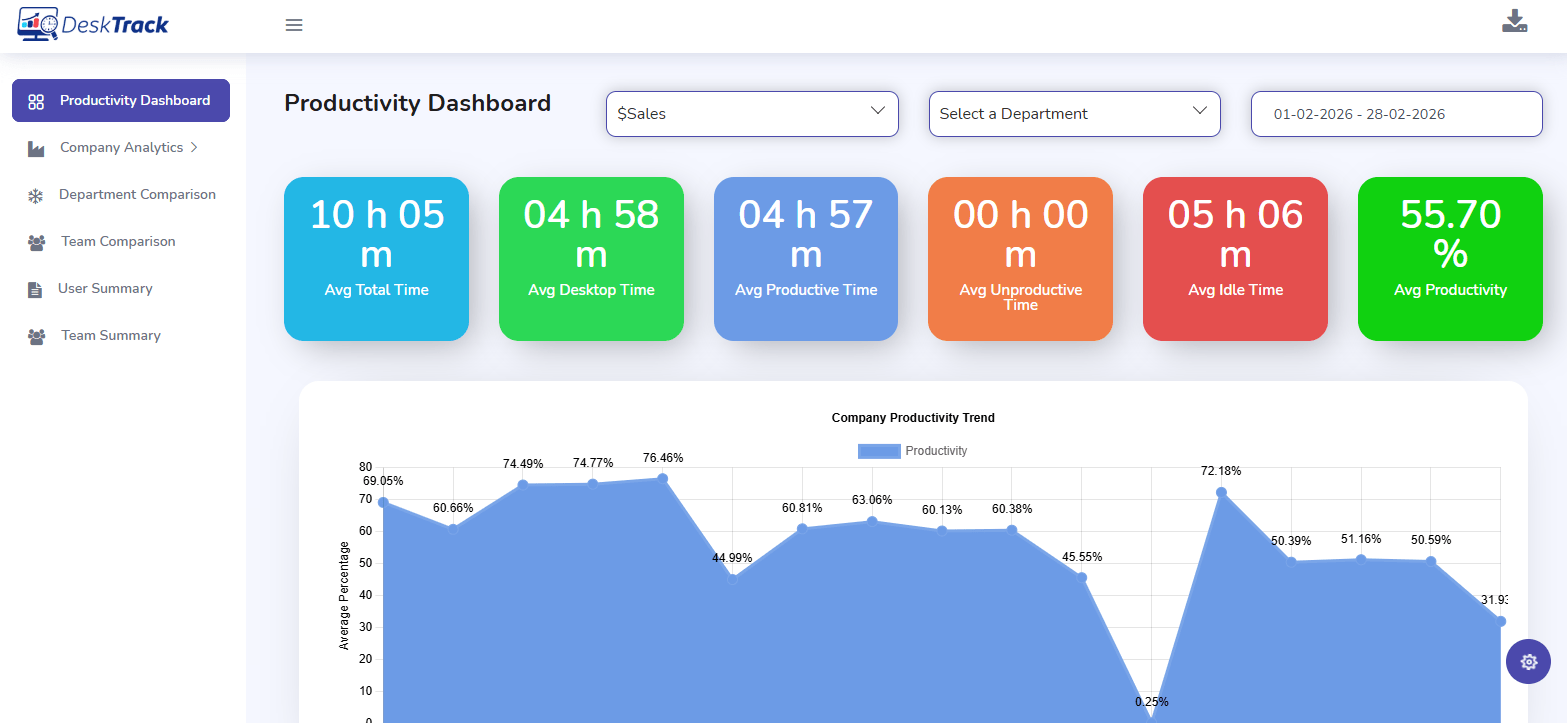
Remote work is no longer a trend—it’s a global shift. From startups in Singapore to enterprises in the US and Europe, organizations are redefining how work gets done. But one question still dominates boardrooms and team meetings alike:
| Is working from home more productive? |
| Studies prove remote work can be more productive than office work if managed well. This guide covers how to achieve this by addressing challenges, using strategies, tools, and good cultural practices. |
Some leaders believe that remote work productivity increases when employees gain flexibility. Others worry that working from home decreases productivity due to distractions and a lack of supervision.
This complete guide breaks down the truth about remote work and productivity, backed by research, practical strategies, and tools you can implement immediately. Whether you’re managing a distributed team or working solo from home, this guide will help you optimize remote work efficiency the right way.
What Is Remote Work Productivity?
Remote work productivity refers to how efficiently individuals and remote teams complete tasks and achieve goals from outside a traditional office. It includes:
- Output quality and speed
- Focus and time utilization
- Collaboration effectiveness
- Employee engagement and well-being
Master Your Remote Workflow for $0
Ready to eliminate productivity leaks? Access professional monitoring and time tracking for up to 2 Users, Free Forever
Understanding Remote Work Challenges
Before improving remote worker productivity, we need to acknowledge the challenges.
1. Communication Gaps
Without hallway conversations or quick desk check-ins, collaboration can suffer. Misalignment affects deadlines, clarity, and output.
2. Distractions at Home
While offices have interruptions, homes introduce new ones:
- Family responsibilities
- Social media
- Household errands
- Lack of a structured schedule
This directly affects work-from-home productivity.
3. Isolation & Burnout
A 2025 National Library of Medicine report shows that loneliness remains one of the biggest challenges for work-from-anywhere employees globally.
Burnout can decrease productivity with work from home if boundaries are unclear.
4. Time Zone Differences
Global teams working across continents face:
- Delayed responses
- Meeting fatigue
- Reduced overlap hours
5. Visibility & Accountability Issues
Managers often ask:
- Does working from home increase productivity?
- Or are employees just “appearing” busy?
Without proper measurement systems, it’s impossible to answer this accurately.
Remote Work Productivity Statistics
Let’s address the biggest question: Is Work From Home More Productive?
Research suggests—yes, in many cases.
- A study by Stanford University found a 13% productivity increase among remote workers in a controlled experiment.
- Research by Harvard Business Review highlights that remote workers often show higher focus time and fewer sick days.
However, context is key. Poor structure can lead to decreased results, which fuels the argument that working from home decreases productivity in some businesses.
Remote Work Productivity Study Insights
Most remote work productivity studies show:
- Flexible schedules improve output
- Autonomy increases motivation
- Reduced commuting improves energy levels
Commute time saved (global average: 1–2 hours daily) directly improves remote work efficiency.
Want real-time visibility into remote productivity? Start your free trial.➡
In-Office vs Remote Work Productivity: A Detailed Comparison
With hybrid work, the debate between remote and in-office productivity continues. Success in either depends on strong communication and clear goals.
| Comparison Factor | Remote Work Productivity | In-Office Productivity |
| Focus & Deep Work | Fewer office interruptions; better control over the environment; supports structured deep work sessions. Many remote workers report higher focus levels. | Frequent interruptions from colleagues, meetings, and office noise can reduce concentration. |
| Time Efficiency | No commute saves 1–2 hours daily (global average), improving remote work efficiency and energy levels. | Commute time reduces personal energy and productive hours available during the day. |
| Collaboration & Communication | Relies on digital tools, asynchronous communication, and scheduled check-ins. Can be highly effective with structured remote work strategies. | Faster spontaneous discussions and face-to-face interaction, but it often leads to unplanned disruptions. |
| Accountability & Monitoring | Requires time tracking software and productivity analytics tools to measure remote worker productivity accurately. | Physical presence provides visual accountability, though it doesn’t always guarantee output-based productivity. |
| Work-Life Balance | Flexible schedules improve productivity with work from home and reduce burnout when boundaries are clear. | Clear separation between office and home, but long commutes may negatively impact work-life balance. |
| Employee Engagement & Culture | Needs intentional virtual culture-building, recognition systems, and trust-based leadership to maintain engagement. | Easier team bonding through physical presence, though engagement still depends on management quality. |
Proven Remote Work Productivity Strategies
Now let’s move to what really matters—action. Here are powerful remote work strategies that actually work:
1. Set Structured Work Blocks
Use time blocking to:
- Define deep work hours
- Schedule meetings intentionally
- Avoid multitasking
2. Create a Dedicated Workspace
A physical boundary creates a mental boundary. This significantly boosts work-from-home productivity.
3. Use Goal-Oriented Planning
Instead of tracking hours, track:
- Deliverables
- KPIs
- Output metrics
This shifts focus from activity to results.
4. Daily Standups
Short 10-minute syncs:
- Improve accountability
- Increase transparency
- Strengthen collaboration
5. Follow the 90-Minute Focus Rule
Neuroscience research suggests humans perform best in 60–90 minute focus cycles followed by short breaks.
Automate Remote Productivity Tracking Now➡
Best Tools to Track Remote Work Productivity
Technology plays a crucial role in improving remote work productivity.
1. Time Tracking Tools
Time tracking software tracks:
- Productive hours
- App usage
- Idle time
- Task completion rate
This answers the question: Does work from home increase productivity? with real data.
2. Project Management Platforms
These help:
- Break down goals
- Assign ownership
- Track progress
3. Communication Platforms
Asynchronous communication reduces meeting overload and increases remote work efficiency.
4. Productivity Analytics Software
Advanced productivity analytics tools offer:
- Performance insights
- Behavior analytics
- Productivity dashboards
- Attendance tracking
These tools eliminate guesswork around remote worker productivity.
Building a High-Performance Remote Culture
Technology alone won’t solve productivity issues. Culture drives performance.
1. Trust Over Micromanagement
Trust-based leadership improves engagement and directly impacts remote work and productivity.
2. Clear Expectations
Set clarity on:
- Work hours
- Availability
- Deliverables
- Communication channels
3. Recognition Systems
Celebrate wins publicly in virtual meetings.
4. Mental Health Support
Encourage:
- Digital detox
- Flexible schedules
- Wellness programs
5. Data-Driven Decisions
Measure what matters:
- Output
- Engagement
- Collaboration levels
Work From Home Productivity Tips
Here are actionable work-from-home productivity tips you can implement today:
- Start your day at the same time daily
- Dress as if going to the office
- Use task batching
- Keep a distraction list
- Use website blockers
- Review daily goals before logging off
Are Your Remote Teams Productive Enough?
Start tracking with DeskTrack today and identify productivity gaps in real-time
Does Work From Home Decrease Productivity?
The honest answer: It depends on structure.
It decreases productivity when:
- There is no accountability
- Goals are unclear
- Employees lack engagement
- There is no performance tracking
It increases productivity when:
- Teams use structured remote work strategies
- Clear KPIs are defined
- Output is measured objectively
- Communication is streamlined
Neuroscience research suggests humans perform best in 60–90 minute focus cycles followed by short breaks.
Final Thoughts
Remote work isn’t the future—it’s the present.
The real question isn’t whether remote work and productivity are connected. The real question is: Are you managing it strategically?
With the right remote work strategies, data-backed tools, and a culture of trust, organizations across the globe can dramatically improve remote work productivity.
And if you want measurable, scalable results—DeskTrack provides the clarity and control needed to make remote work not just functional, but exceptional.
Frequently Asked Questions (FAQs)
Ans. Studies from Stanford and other institutions suggest many employees experience higher focus and flexibility, leading to improved output. Ans. Yes, when supported by structured remote work strategies, strong communication, and productivity tracking systems. Ans. Communication gaps, distractions, burnout, lack of accountability, and time zone differences. Ans. Using time tracking tools, performance dashboards, goal-based KPIs, and analytics platforms like DeskTrack. Ans. Yes, especially when there is no structure, clear goals, or proper monitoring.remote-work-productivity