We are working in an era of globalization. Businesses have an international workforce. That brings diversity in every aspect of the organization. That means different cultures, backgrounds, and perspectives to summarize. Moreover, on a basic level, if an organization has male and female employees working together, it’s a diverse workplace. However, why is diversity important in the workplace?
What is Diversity in the Workplace?
A diverse workplace is any business where employees are hired, judged, recognized, and rewarded based on their skills and experience. As we mentioned before, diverse organizations are those where employees from different locations, races, generations, genders, languages, cultures, and backgrounds work together. Moreover, these are the key elements of a diverse workplace.
- Inclusion
- Equity
- Accessibility
- Open communication
- Cultural awareness
- Bias awareness and action
- Flexible policies
- Psychological safety
- Diversity training
- Mentorship and development opportunities
What is Inclusion in the Workplace?
Inclusion and diversity are not different. In fact, inclusion is a part of diversity in the organization. Simply put, other than having diverse employees work for you, you also need to involve them in all the work-related decisions. That is, you must welcome their opinions, suggestions, and perspectives. In short, no employee must be ignored because they don’t fit your perspective.
| DeskTrack Fact |
| Did you know that even a global language such as English has American, British, Australian, Canadian, and Indian variations? These differences matter as these accents are derived from the locations the employees come from, meaning demographics. Different demographics change culture, background, etc. So, to ensure that employees are hired based on skills, use advanced recruitment software that will hide the candidate’s name and background details from the employer during the initial hiring stages. That’s because you will never know who is racially biased in your organization. |
Read Also: What are the Top 10 Business Management Software Options for Small Businesses?
Key Metrics to Track Diversity in the Workplace
We will soon discuss the benefits of diversity and inclusion in the workplace. However, first, we need to understand the key metrics that define how diverse your Fortune 500 is.
- Employee Demographics: You should track where your employees are from. When workers from different states, cities, and countries harmoniously work under the roof of your organization, consider your diversity initiative a success.
- Hiring & Retention Rates: When you have a higher worker retention rate in your business, you have understood why diversity in the workplace is important and have implemented DEI in your brand.
- Promotion Rates: Ask yourself, are promotions in your business based on culture and background? If the answer is no, then you and your employees are working in a diverse organization.
- Employee Engagement & Satisfaction: How satisfied and engaged towards work are your employees? The higher this ratio, the better.
- Pay Equity: Employees must be paid based on their performance and not their background, gender, or anything. We recommend using advanced payroll software that keeps track of employee salaries and wages.
- Training Participation & Feedback: You must also involve all your workers in training and suggestions.
- Diverse Leadership: Finally, your managers and other leaders must also lead their subordinates to success. The superiors must respect the culture, gender, background, and perspectives of those working under them.
Benefits of Diversity & Inclusion in the Workplace
Implementing diversity and inclusion in your workplace provides many advantages over your competitors that don’t. Here are the top 8 benefits of a diverse workforce that we are currently experiencing.
1. Increased Creativity & Innovation
The diverse the opinions, the more creativity and innovation in your organization. That’s because when people look at things from various angles, teams brainstorm solutions, and work together, the results are always out-of-the-box.
2. Improved Cultural Awareness
When you have a diverse workplace, employees become familiar with different cultures and learn to respect each other’s boundaries. That improves and maximizes cultural awareness, ensuring that workers do the job together in harmony.
3. Larger Talent Pool
Did you know that according to a survey by Glassdoor, around 80% of job seekers look for diversity as the first factor when choosing their workplace? Simply put, having diversity in the workplace will attract more global talent towards your business.
4. Positivizes Your Reputation
As we mentioned before, having a diverse workplace will attract an international pool of candidates. This has a positive impact on your market reputation, which enlarges your customer base.
5. More Marketing Opportunities Your Way
Global, diverse employees bring what works and what doesn’t with them. With their input, you can make culturally specific strategies to target consumers via local advertisements. What this does is make them click the buy button on your product or service website in an instant.
6. Better Employee Engagement & Trust
Diversifying the workplace improves employee engagement and trust. When employees know that they won’t be judged based on anything social, they have more trust in their employer and show more job dedication and satisfaction, which matches expectations with efficiency.
7. Robust Growth Opportunities
Here, we mean growth and expansion for your business. Having diversity in your organization helps you tap into a global market and earn more consumers, and of course, profits.
8. Stronger Sense of Belonging
Diverse workplaces are those where workers feel a stronger sense of belonging. That is, they feel like being a part of the business and its vision. It’s a good thing because only that way can employees provide quality work to 100% of their skills and experience.
Read Also: Top 10 Best Employee Scheduling Software for Businesses in 2026
Barriers to Diversity in the Workplace
The process of making your workplace diverse won’t be smooth-sailing. You will face these obstacles.
1. Integration Issues
- People from different backgrounds will have some issues working together.
- It may cause distress and discomfort altogether.
- Employees may not understand each other’s cultures and may unintentionally do or say something that hurts their colleague.
2. Communication Problems
- People from diverse backgrounds speak different languages or have different dialects.
- These variations make it hard for employees to communicate.
- They might communicate in writing. However, this distracts the mind from work. That is, unless you are using the group chat feature of your project management software.
3. Change Resistance
- The biggest setback you will face while making your workplace diverse is resistance to change from employees.
- This is due to the sudden implementation of a new policy, which confuses your staff.
4. Ineffective Measurement
- Just implementing diversity and inclusion in the workplace is not enough.
- Measuring its impact is also essential.
- However, most organizations lack the right methods and tools to do so. Thus, they fail to make their workplace diverse.
5. Ineffective Leadership
- Implementing workplace diversity is also one of the roles of your leaders.
- However, if they lack the skills and experience to do it, then it will be challenging.
- Sometimes, even leaders don’t approve of diversity in the workplace because of their stereotypical mindsets. Simply put, biased (conscious or unconscious) leaders.
Solutions to the Diversity Barriers
We won’t leave you hanging with the barriers you face while diversifying your organization. Here’s how to overcome these issues.
1. Develop Organizational Policy
- Develop a detailed organization policy clarifying diversity and inclusion.
- Implement it slowly and consistently so that your existing employees can prepare for the changes.
2. Continuous Diversity Training
- Train your employees and leaders to have a positive mindset and work together with colleagues from different backgrounds and cultures.
- To ensure that the training time doesn’t overlap with important tasks in the schedule, use the best employee scheduling software.
3. Emphasize Respect
- Implement a culture of respect in your organization.
- Encourage your employees to respect each other’s cultures, backgrounds, languages, and perspectives.
- Ask your employees and leaders to be patient and respectful with one another. Demonstrate this yourself to motivate your staff.
4. Get Employee Feedback
- Survey your people around to know how well it’s going with the new norms.
- Implement changes according to how positive or negative they are.
5. Recognition & Rewarding
- It is always a good idea to recognize and reward hard work.
- Ensure to be on the lookout for top performers in your organization, regardless of their culture and background.
6. Integrate Tools
- Track the impact of workplace diversity throughout your organization with dedicated tools.
- For example, use employee monitoring software to track employee efficiency based on their work performance and not their background.
How to Make Your Workplace More Diverse?
Before experiencing the benefits of workplace diversity, you need to make your organization DEI-powered. Implementing diversity, equity, and inclusivity, also known as DEI, in your organization is very straightforward. Nonetheless, here’s a breakdown of how to do it. Just for revision purposes.
1. Invest in Initiatives
Look for programs that help make the workplace more diverse. If you feel clueless at any point, ask the experts in this field.
2. Provide Bias Training Sessions
Train your managers, employees, and leaders to get rid of any unconscious or unconscious personal bias. You need to understand that only when you break such barriers can you make your organization global.
3. Promote Equal Pay
Diverse organizations are those where employees are paid based on their performance. That’s right. For example, the same pay scale for male and female employees.
4. Prioritize Underrepresented Groups
Employees from underrepresented groups are the ones who feel deprived of their rights the most. The idea is not to uplift them, but to recognize the skills and hard work of such staff members so that they feel valued.
5. Overcome Challenges
As we mentioned before, you will face some challenges while diversifying your workspace. Overcome them, and you are good to go.
Make Your Workplace Diverse With DeskTrack
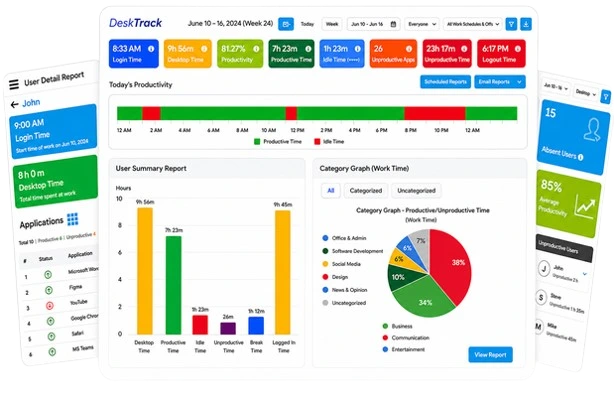
With DeskTrack’s personalized employee monitoring and reporting, you will know the individual performance levels of your employees in real-time. Aligning these insights with their pay, you will identify if there is any racial bias in your organization or not. The tool not only helps you make a diverse workforce but also boosts their efficiency with time tracking, project management, and productivity monitoring integrated into the same platform. Try now and realize why 8000+ businesses around the world have implemented it already.
Frequently Asked Questions (FAQ)
Q. What is Diversity in the Workplace?
Ans. A diverse workplace is any organization where employees are hired, judged, recognized, and rewarded based on their skills, performance, and experience. Diverse workplaces are those where employees from different locations, races, generations, genders, languages, cultures, and backgrounds work together.
Q. Why Do Top Companies in India Focus on Workplace Diversity?
Ans. Top brands in India focus on improving workplace diversity to get these benefits.
- Increased Creativity & Innovation
- Improved Cultural Awareness
- Larger Talent Pool
- Positivizes Your Reputation
- More Marketing Opportunities Your Way
- Better Employee Engagement & Trust
- Robust Growth Opportunities
- Stronger Sense of Belonging
Q. How Can Workplace Diversity Improve Team Performance in Tech Startups?
Ans. A diverse workforce will bring different perspectives and ideas with it. This helps tech startups brainstorm the best ideas, tap into the global market, and expand.
Q. What are the Benefits of Hiring Diverse Talent in the Indian IT Sector?
Ans. Having a diverse workforce in the Indian IT sector brings ideas and experience from different generations and demographics. This helps bring more innovation and creativity for increasing success.
Q. Can Diverse Workplaces Improve Innovation in Product Development?
Ans. Yes, definitely. When you have a diverse workforce with employees from different demographics, you will have more knowledge about the varying local cultures, likes, and dislikes. With this data, you can easily make a globally successful product.